Reimagining Alpine–Adriatic Craft Legacies
Today we journey through Contemporary Interpretations of Traditional Alpine-Adriatic Crafts, meeting makers who translate inherited skills into objects that suit compact apartments, mobile lifestyles, and discerning tastes. From Idrija lace patterns re-scaled for light screens to Val Gardena carvings paired with soft textiles, the region’s knowledge crosses borders and generations. We will celebrate patient hands working alongside careful machines, materials gathered from mountain slopes and salty coasts, and stories that anchor daily routines with belonging. Stay curious, ask questions, and let these renewed practices inspire what you buy, use, gift, and cherish.
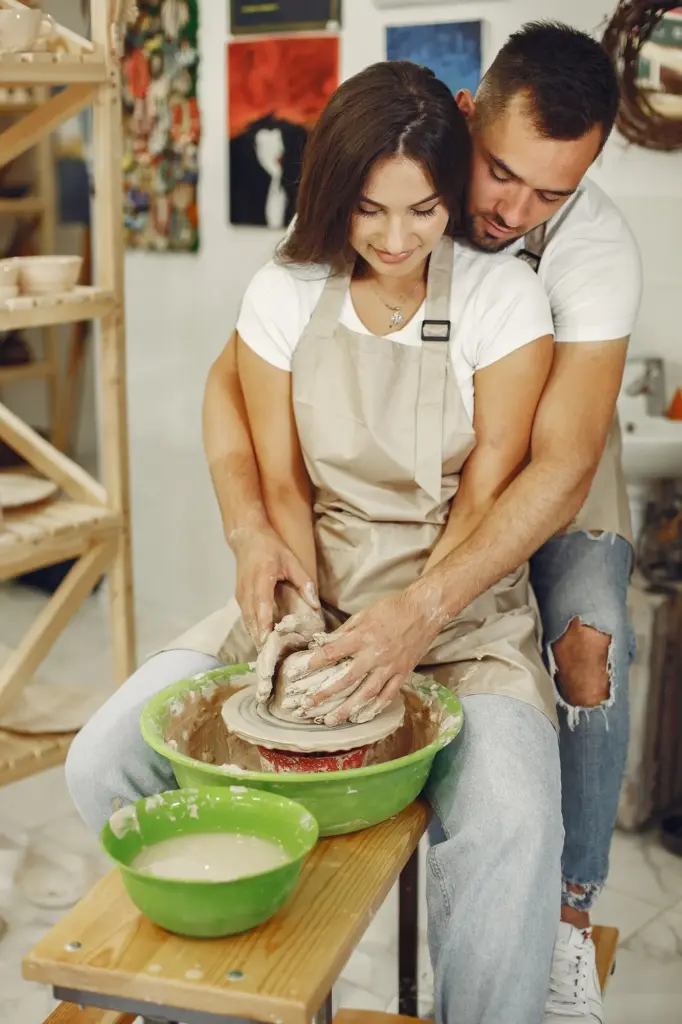
Mountain Wool Meets Salt-Light Imagination
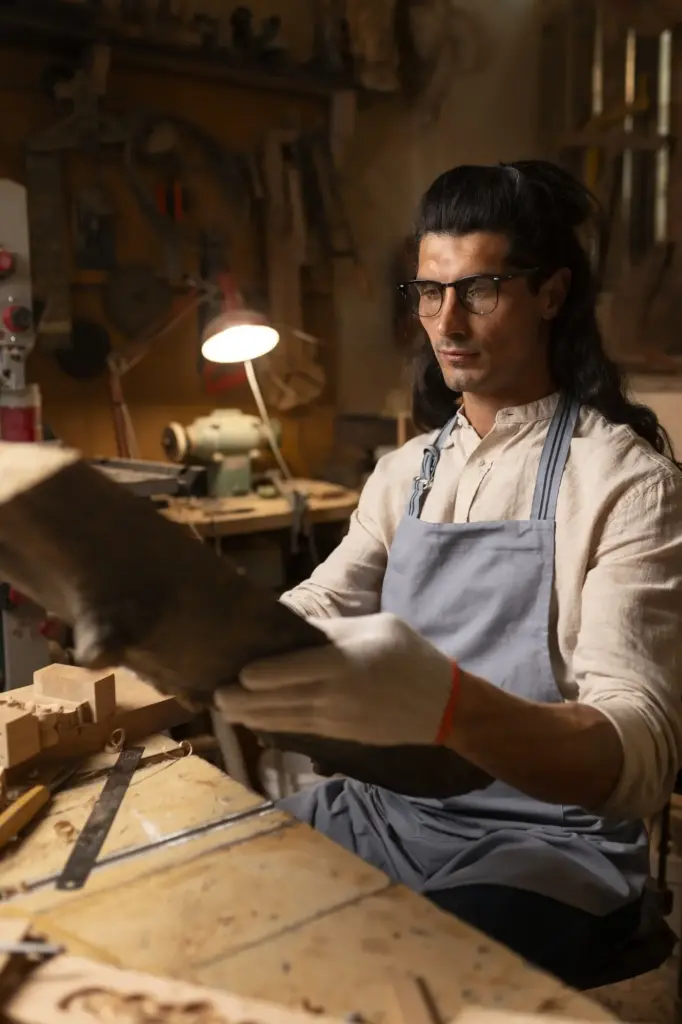
Picture a shepherd’s coarse loden drying by a farmhouse stove while, hours away, sea wind combs linen on a balcony. Makers pair these worlds: felted wool softening minimalist stools, linen bands reinforcing handles, olive-wood pegs cinching textiles. Each junction respects origin and purpose, proving durability and tenderness can coexist. The tactile harmony encourages mindful ownership, inviting you to trace seams with your fingertips and remember places where clouds cling to peaks and gulls circle piers after rain.
Trieste Wharves, Alpine Passes, and Generous Exchanges
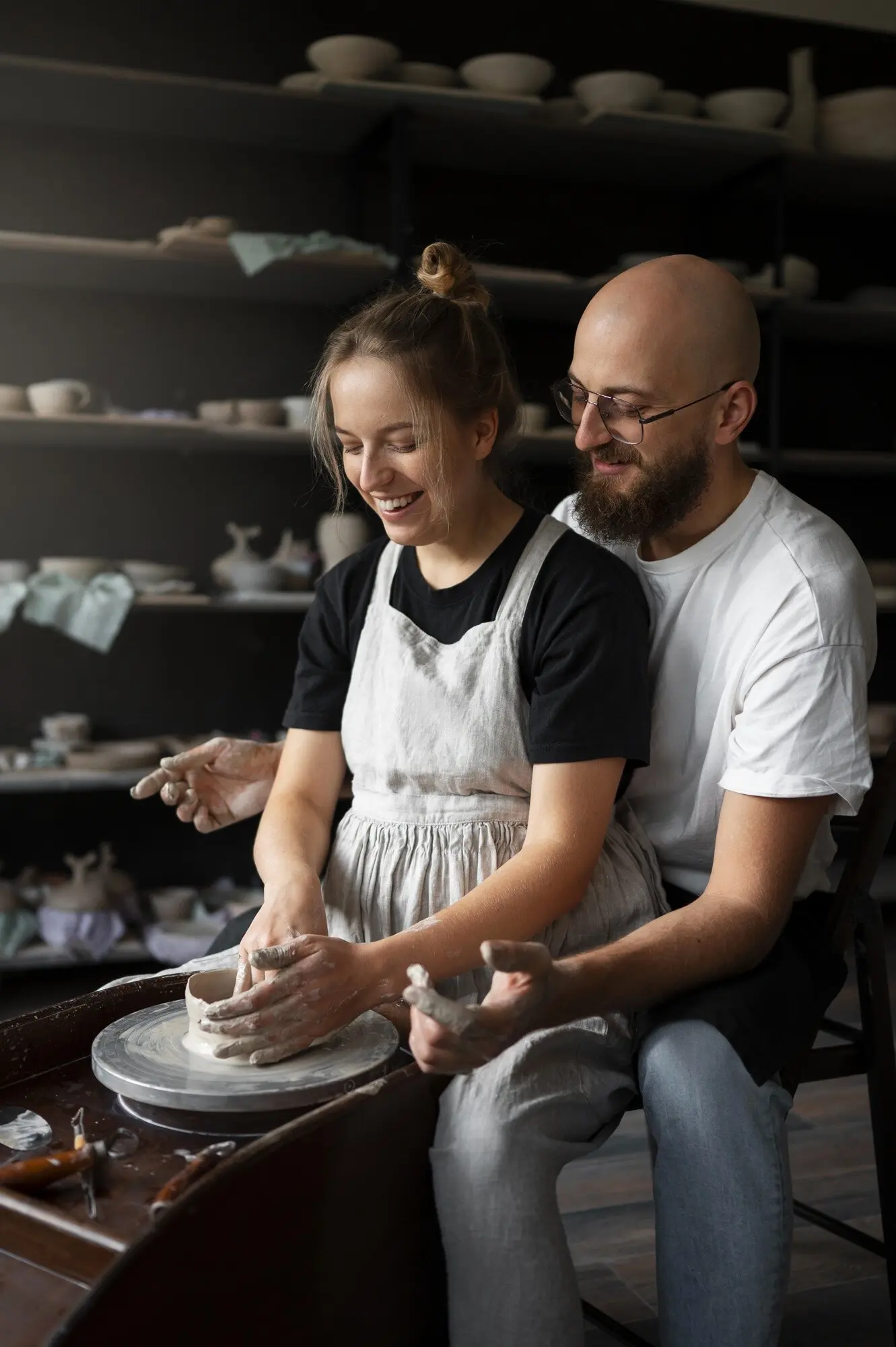
For centuries, ideas moved with goods along mule paths and rail lines pointing toward Trieste’s bustling port. Today’s studios revisit that motion: cooperative vans shuttle yarns and clay between valleys, while residencies in border towns pair potters with carvers to prototype hybrid objects. Each collaboration becomes a micro-history, revealing how logistics shape aesthetics. When a bowl’s profile suggests a ship’s hull or a trivet echoes a mountain switchback, it’s because movement itself, carefully managed, leaves subtle, beautiful fingerprints on design.
Techniques Reframed with Digital Sensitivity
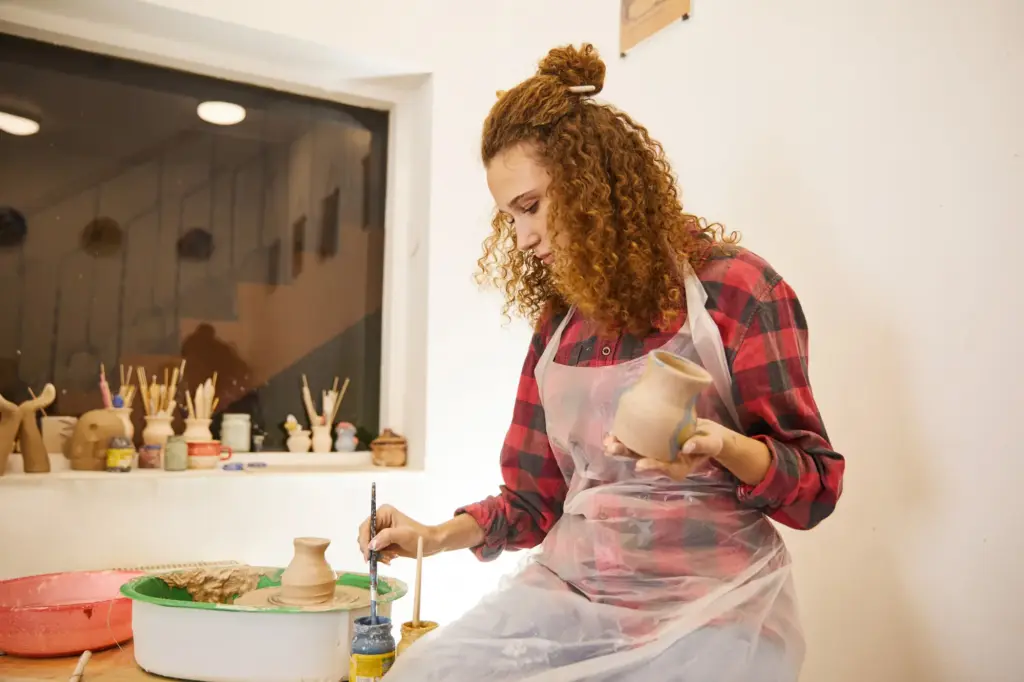
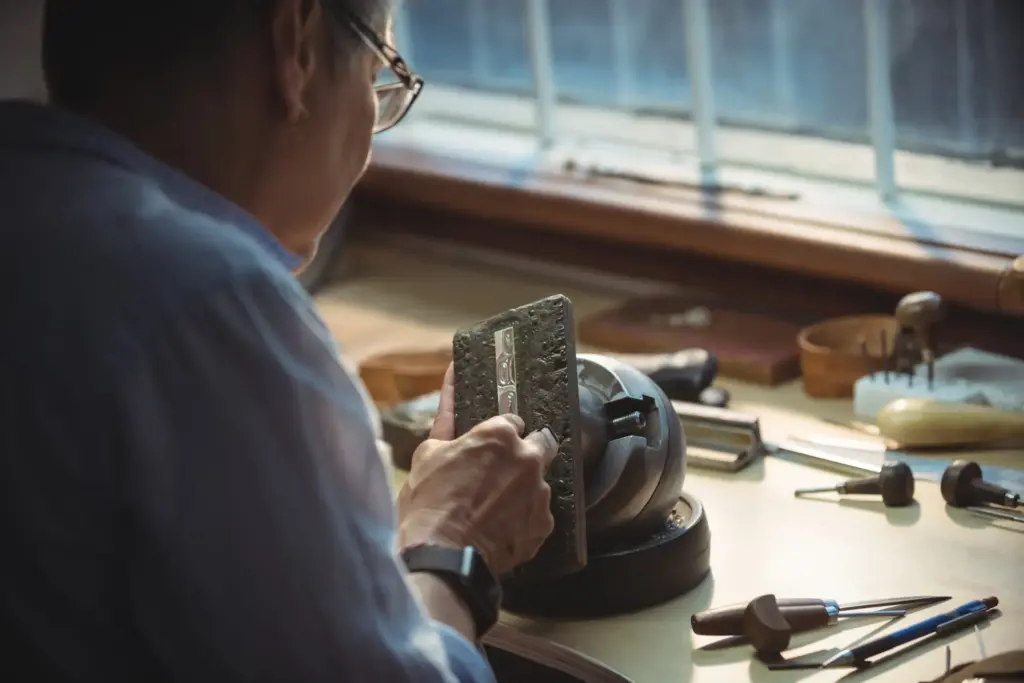
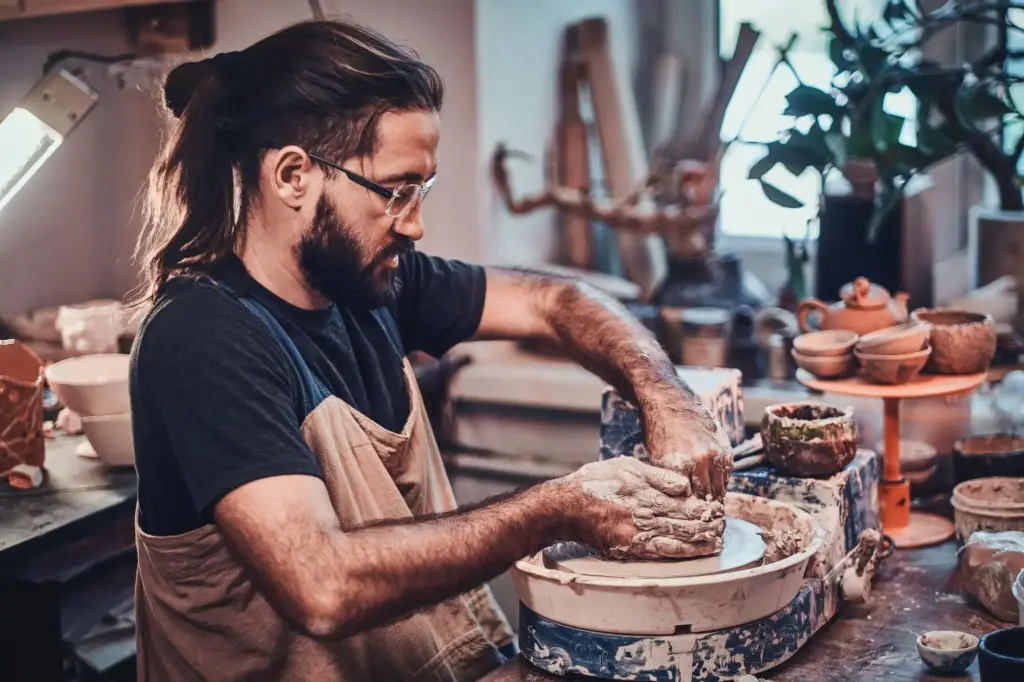
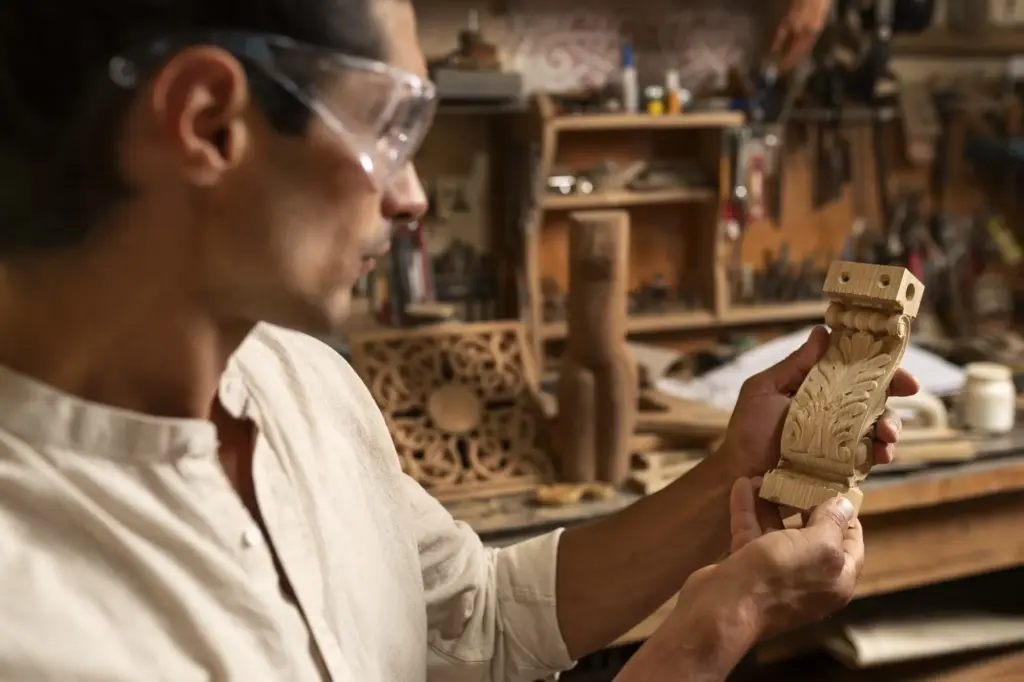
Machines do not replace touch here; they extend it. Bobbin lace gains parametric clarity for architectural panels, yet finishing stitches remain hand-tensioned. Carving meets CNC to rough in profiles, leaving expressive facets for chisels to articulate. Clay forms slip into 3D-printed molds, then return to palms that compress and correct. The conversation matters: code proposes, hands decide. This respectful dialogue reduces waste, increases repeatability where helpful, and preserves the small irregularities that make an object feel alive in your home.
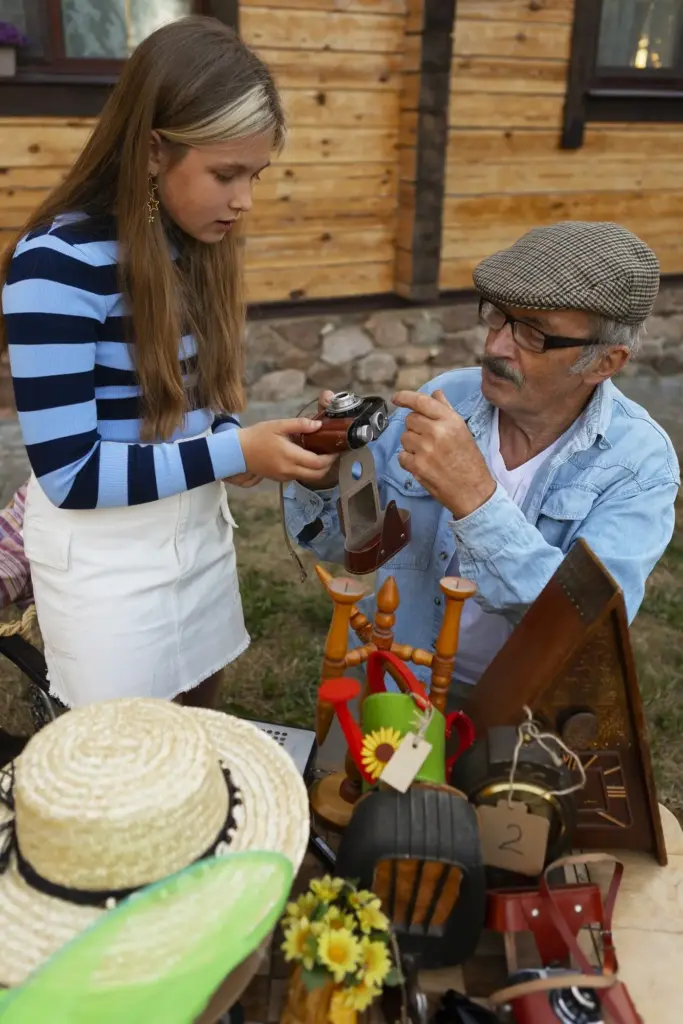
Materials Speak: Wool, Wood, Clay, and Fiber
Material choice is storytelling with consequence. Makers prioritize local fibers, managed forests, and clays traveled short distances. They balance tradition and innovation: pairing fulling techniques with plant-based waterproofing, or steam-bending larch around jigs derived from archival sled runners. Olive prunings become handles, waste flax strengthens composite trays, and natural dyes simmer thoughtfully. When you hold a piece, you meet altitude, season, and patience. The object feels grounded, because everything within it knew the landscape before entering your hands.

Motifs Abstracted, Stories Intact
Rather than quoting folklore literally, designers distill it. A peak becomes a chevron softened at the tip; a wave reduces to three patient arcs; a lace flower unfurls as a perforation gradient. These moves keep symbolism flexible, opening space for diverse homes and cultures to find entry. The pieces whisper instead of proclaim, rewarding daily attention. As you dust a shelf or switch on a lamp, a small pattern alignment might finally reveal itself and lift your afternoon.
Color From Snowfields to Terracotta Roofs
Colorways travel with weather. Winter palettes lean silvery, with charcoal shadows and the faint blue of hard morning shade. Summer sets climb toward honey larch, olive gold, and sunburned brick, always tempered by undyed fiber and raw clay. Accents reference sea foam, alpine gentians, and vineyard leaves after rain. These natural anchors resist fashion fatigue, helping objects belong gracefully across seasons. They also photograph honestly, inviting transparent storytelling and encouraging mindful purchasing rather than hurried, forgettable impulse.
Regeneration, Cooperation, and Fair Value
Longevity depends on relationships. Producers pool resources, map supply chains, and publish clear material footprints. Repair services sit beside retail displays, normalizing maintenance. Heritage is protected, not frozen: Idrija bobbin lace-making is recognized by UNESCO, as is dry-stone walling across this region, while makers pursue fair trademarks, provenance marks, and respectful collaborations. The goal is dignity across steps—shepherd to spinner, carver to courier—so purchasing becomes participation, and ownership becomes stewardship with joy rather than obligation.
Learn, Participate, and Carry It Forward
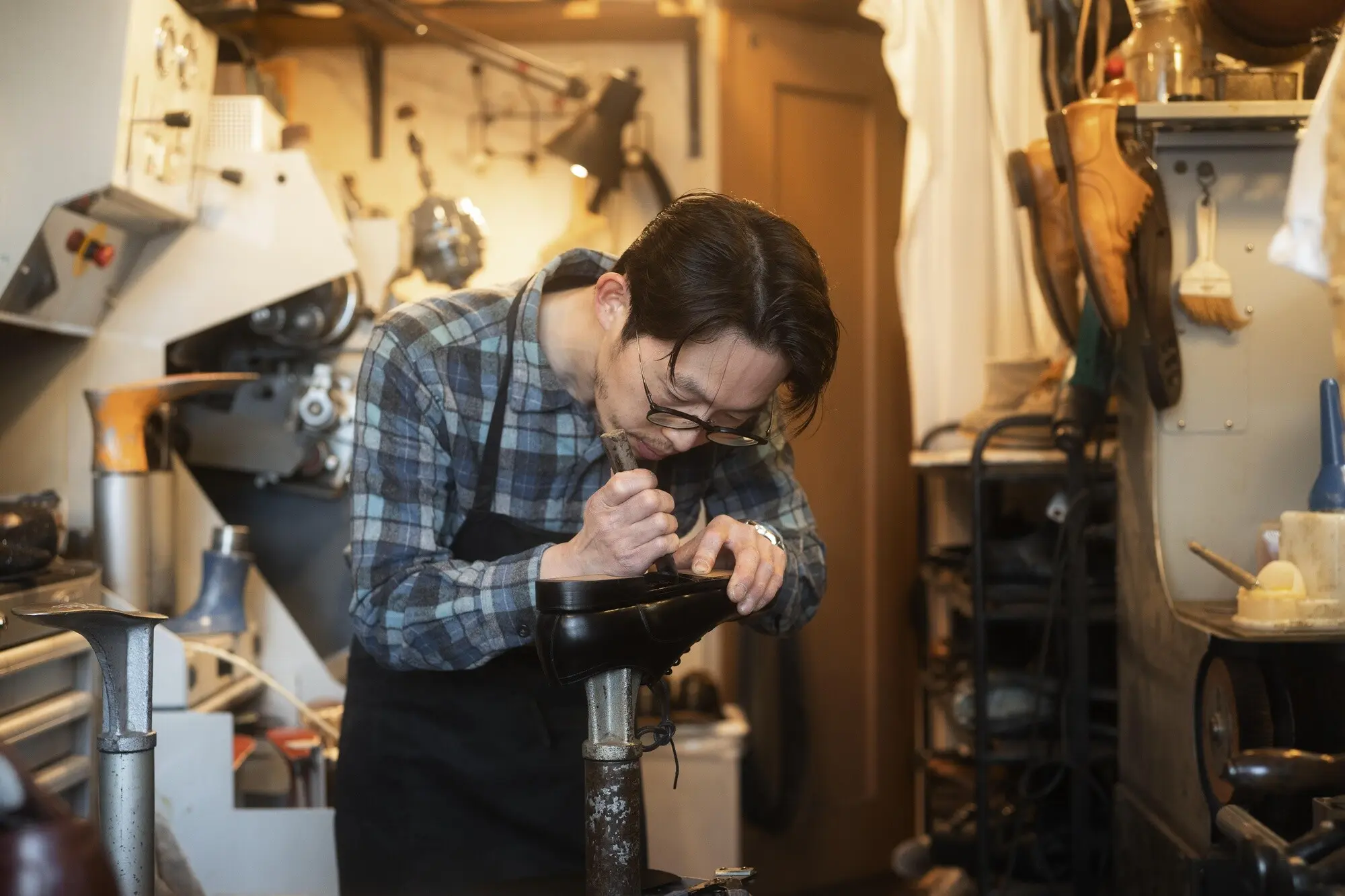
Your curiosity sustains this world. Workshops open in mountain towns and coastal studios; open days invite touching tools, twisting bobbins, bending thin strips of steamed wood. Digital guides share care tips, repair stitching, and finish recipes you can attempt at home. Comment with questions, subscribe for itineraries, and tell us which objects changed your mornings. By joining, you help skills survive generously—less as museum artifact, more as shared practice renewing itself with each kind, attentive gesture.