
Making and Re-Making in the Alpine–Adriatic
Join us as we explore sustainable and circular practices in Alpine–Adriatic craft studios, where wood, wool, clay, and metal are sourced with care, waste becomes raw material, and heritage methods spark contemporary innovation. From Carinthian valleys to Istrian coasts, makers are closing loops, repairing what they sell, and sharing resources across borders. Discover practical ideas, regional stories, and tested tools you can adapt in your own workshop, then add your questions, successes, and challenges so we learn together and strengthen this living network.

Materials That Honor Their Sources
Circularity begins with choosing inputs that respect landscapes and communities. Studios prioritize storm-salvaged timber, responsibly grazed wool, regionally grown hemp, reclaimed metals, and mineral clays sourced without scarring hillsides. Agricultural byproducts—olive pits, grape prunings, and cherry stones—become fuel, ash glazes, and tool handles. Offcuts are sorted like treasure, labeled for future joints, toys, or test tiles. Share your favorite local supplier or byproduct hack to help others shorten transport, reduce extraction, and uplift neighbors.
Wood With a Second Life
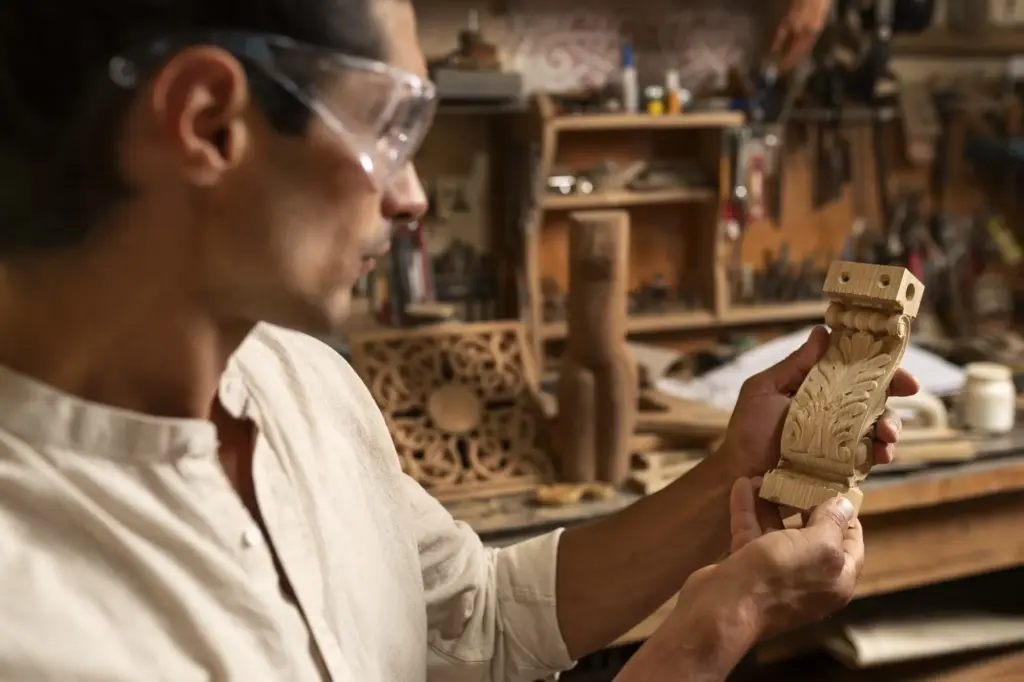
After mountain winds, community crews mark safe-to-harvest trees, and small mills slice boards that would otherwise rot. Woodturners transform irregular knots into bowls that celebrate scars with food-safe oils, while furniture makers design around checks using butterfly keys. Sawdust becomes briquettes, animal bedding, or compost browns. If you work with timber, post your grading system for offcuts and how you stack them so every sliver eventually earns a purpose rather than a landfill trip.
Fibers From Flocks and Fields
Regional wool once undervalued now returns as felted slippers, insulation batts, and naturally dyed yarns. Hemp and nettle thrive with modest inputs, lending strength to weaves and composites. Tanners experiment with plant-based agents from chestnut and mimosa, while some replace leather entirely with mycelium or grape-skin alternatives tied to local wineries. Describe your scouring, spinning, or retting processes and the way you handle wastewater, so others can match softness, durability, and low-impact care routines.
Clay and Minerals Without Scars
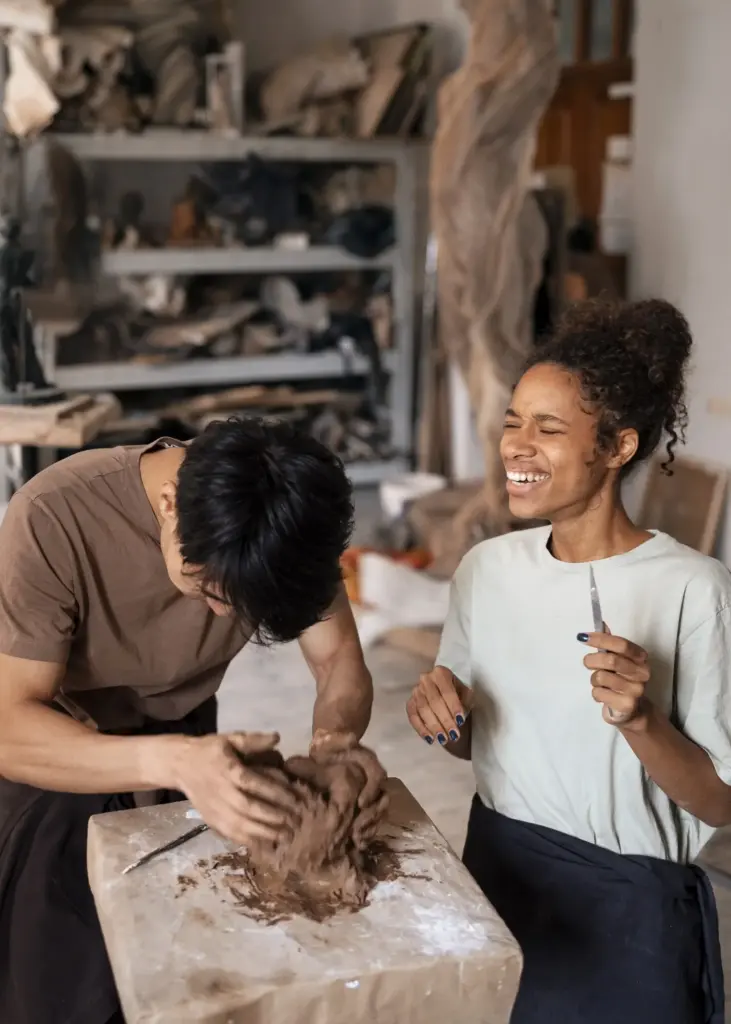
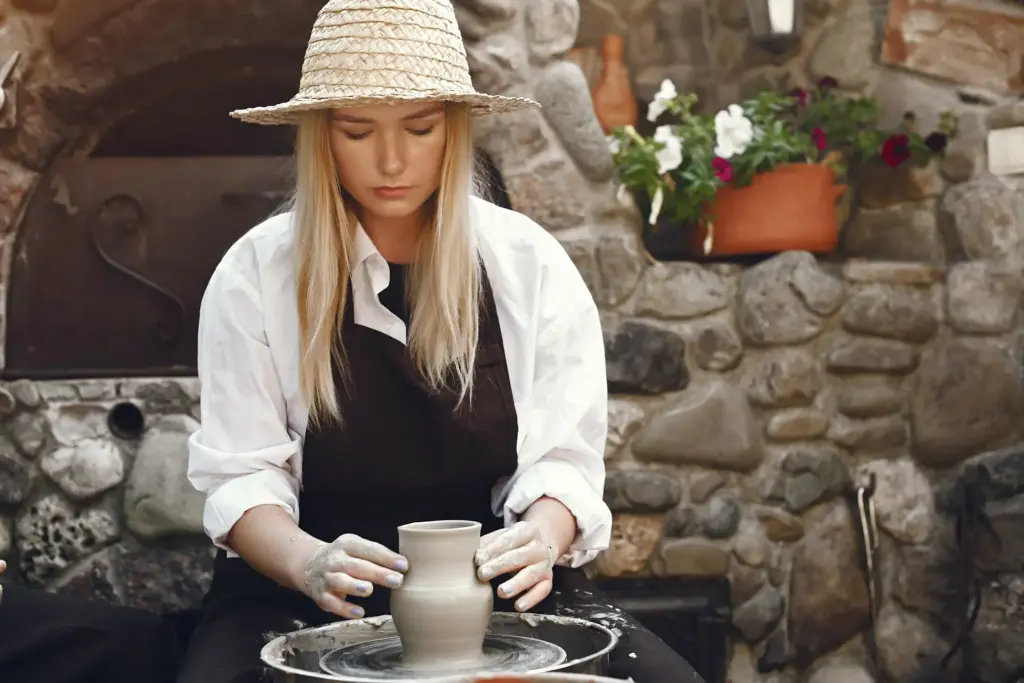
Ceramicists sift quarry tailings and river sediments under permits, turning overlooked fines into stoneware bodies and slips. Ash from pruned vines glazes cups in gentle greens; basalt dust strengthens clay bodies for thermal shock resistance. By mapping sources, logging test tiles, and publishing successful blends, studios reduce virgin extraction while creating distinctive regional aesthetics. Share your glaze notebook entry that finally worked, including sieve sizes, cone levels, and kiln atmosphere, so neighboring kilns can replicate safely.
Designing for Long Lives and New Beginnings
Durability and renewal are set at the sketch stage. Housings unscrew, chairs unbolt, and garments invite mending with visible pride. Parts are standardized, labeled, and replaceable; finishes are breathable and repair-friendly. Patternmakers draft zero-waste layouts, while joiners cut reversible wedges instead of permanent glue lines. Dyers choose colors that age gracefully, honoring patina. Tell us how you tag components, document repairs, and price lifetime service, so customers buy once and cherish forever with your guidance.
Energy, Heat, and Water With Care
Workshops tap sunlit roofs, stream micro-hydro, and community solar shares to power looms, sanders, and kilns. Heat-recovery hoods capture kiln warmth to dry glazes or cure oils. Rocket stoves and efficient burners cut fuel while protecting finish quality. Rainwater fills dye vats; greywater filters through reed beds before returning clean. If you have retrofitted insulation, timers, or meters, share payback data and surprises discovered, helping others plan upgrades grounded in real numbers and comfort gains.
Enterprises That Share Value and Responsibility
Circular practice reshapes how goods are sold, serviced, and celebrated. Studios offer repair warranties, part libraries, and take-back credits; some rent tools or tableware for events, wash them, and send them out again. Cooperatives negotiate fair wood prices, own delivery vans, or run shared finishing rooms. Byproduct exchanges match shavings with farmers and fabric edges with quilters. Share your return policy, deposit systems, and honest pricing strategies, inspiring customers to value maintenance alongside beauty.


Stories, Trails, and Evidence People Can Feel
Visitors want experiences and proof, not slogans. Provenance labels, QR codes, and open logs connect each object to its forest stand, flock, kiln, and caring hands. Studio trails link villages, offering mending classes, dye garden walks, and salvage yard tours. Metrics accompany emotions, grounding pride in data. Share how you tell your object’s journey and invite participation—subscriptions, comments, and workshop signups turn quiet admiration into recurring support that fuels the next responsible experiment.