Crafting Futures Across Peaks and Shores
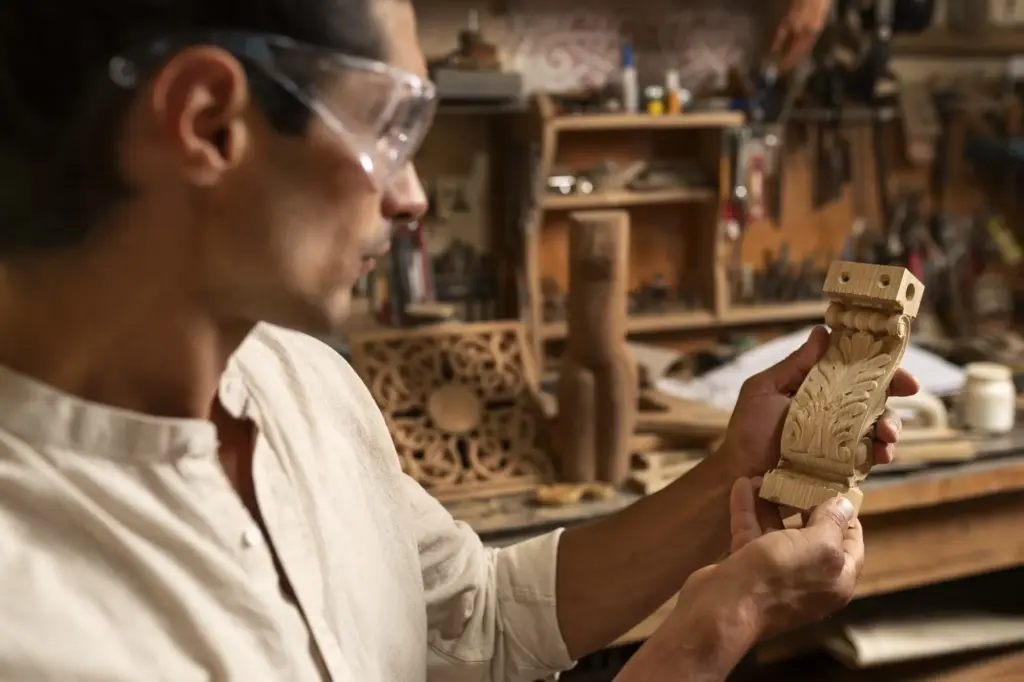
Join makers as we explore training, apprenticeships, and maker residencies for handcrafted design across the Alpine‑Adriatic—where Dolomite spruce meets Karst stone and Adriatic salt. Discover pathways, mentors, funding, and communities that turn raw skill into durable livelihoods, and find practical steps to begin today, whether you carve wood, weave lace, shape glass, or sew sailcloth.

Pathways That Open Workshops and Doors

From mountain towns to seaports, entry routes are surprisingly diverse: public vocational schools, dual training with companies, seasonal ateliers, and independent studios that welcome determined learners. We outline how to compare programs, evaluate workshop culture, manage multilingual paperwork, and build a realistic timeline from inquiry to bench time without losing momentum. You will see how portfolios, recommendations, and simple, respectful outreach can unlock opportunities faster than you expect, even across borders and languages in this connected region.

Vocational Programs and Dual Training

Across the region, structured learning blends classroom rigor with real benches: Austrian dual training pairs weekly theory with paid practice, Italian craft centers and regional institutes guide fundamentals, while Slovenian and Croatian programs connect students to living workshops. Learn to assess qualifications, compare curricula, request site visits, and present a focused portfolio that signals curiosity, stamina, and safety awareness. Ask graduates candid questions about mentorship, assessment, and how quickly new hands tackle meaningful tasks.

Finding a Master You Can Grow With

Selecting a mentor shapes your habits for years. Research studios known for clear feedback, ethical sourcing, and patient repetition. Write concise letters, share three to five relevant works, and state what you can contribute during quieter shop hours. Respect schedules, ask about tools you must bring, and confirm language preferences. Consider traditions like Val Gardena woodcarving, Idrija lace, or boat repair along the coast, but prioritize human fit, humility, and a daily rhythm you can sustain.

Funding, Mobility, and Timing

Money, visas, and calendars can strengthen or derail plans. Investigate regional scholarships, cultural mobility grants, micro‑residency stipends, and travel discounts for apprentices. Track deadlines backward from your desired start date, leaving buffer weeks for paperwork. Secure accommodation near public transport to mountain valleys or ports, and budget for materials, protective equipment, and health insurance. When in doubt, ask coordinators for sample budgets, recommended banks, and official letters that ease cross‑border registration and temporary residency requirements.

Materials and Landscapes Shape the Hand

Skills grow from place: slow spruce seasoned in high valleys, dense beech from shaded slopes, Karst limestone and red clays, sea‑washed rope, and salt‑hardened finishes. Understanding how altitude, wind, humidity, and traditional supply routes influence grain, firing schedules, or joinery angles helps makers choose tools and techniques wisely. We highlight sustainable sourcing, legal documentation, and relationships with foresters, shepherds, quarry operators, and coastal suppliers who preserve knowledge while supporting new craft livelihoods throughout the Alpine‑Adriatic.
Renowned for resonance and stability, carefully selected Alpine spruce inspires instrument makers and fine joiners. Learn how forestry cooperatives mark, fell, season, and grade logs, and what questions demonstrate responsibility when you purchase blanks. We explain moisture targets, sticker stacking, and why respectful patience reduces waste. You will also learn how to transport and insure tonewood across borders, document provenance, and communicate clearly with masters who expect precision when carving, jointing, and voicing delicate components.
Karst stone’s character rewards sharp chisels, steady stance, and a deep respect for dust control. Local clays, from iron‑rich reds to pale earthen blends, offer surprising plasticity and firing possibilities near sea level or mountain kilns. We explore safe quarry etiquette, reclaim techniques, thermal shock awareness, and how seasonal winds influence drying schedules. Expect pragmatic tips on sampling, testing small tiles, and negotiating fair studio access in shared spaces that balance production needs with visiting learners.
Alpine wool, flax from foothill farms, and delicate threads for bobbin lace connect herders, spinners, and patient hands. Traditional dye sources—madder, walnut hulls, weld, and indigo—reward methodical note‑taking on water hardness and temperature. Along the coast, salt finishing and sun‑drying affect tension and hand feel. We outline respectful supplier relationships, labeling systems for repeatable color, and ways apprentices can exchange labor for material offcuts while learning fiber care, mordant safety, and archival storage.

Inside the Apprenticeship Day

Progress arrives in steady, ordinary rituals: sweeping before dawn, sharpening until edges whisper, warming glue, and checking chalk lines. A good shop teaches rhythm as much as technique. Expect quiet focus, frequent repetition, and feedback that moves from hands to words. We offer concrete routines, from hydration breaks and ergonomic posture to photo logs that capture micro‑improvements. The small disciplines compound into trust, and trust unlocks complex assignments that stretch judgment, patience, and creative responsibility.

Your First Week Checklist

Bring humility, closed‑toe shoes, hearing and dust protection, a notebook, and a willingness to clean without being asked. Introduce yourself simply, confirm safety rules aloud, and learn where scrap, solvents, and rags live. Ask how to label test pieces, store personal tools, and handle offcuts. Photograph station setups before changing them, and document cutter settings after each pass. End days by resetting benches, thanking colleagues, and noting what hurt, what worked, and what you will practice tomorrow.

Bridging Languages and Dialects

From Tyrolean valleys to coastal markets, accents vary wildly. Prepare phrases about measurements, safety, and materials in Italian, German, Slovene, and Croatian; keep a laminated cheat sheet by the bandsaw. Sketch generously when words fail, and clarify with touch only after explicit consent. Translate instructions back to your mentor to confirm understanding. Expect humor, patience, and the occasional hand signal. The goal is shared outcomes, not perfect grammar, so celebrate clarity and keep a pocket pencil ready.

Learning Through Critique

Feedback can sting, especially when you believe a piece sings. Breathe, listen fully, and separate identity from iteration. Ask what successful looks like, then request one concrete adjustment to try immediately. Mark knife lines bolder, repeat cuts with full attention, and compare results under raking light. Over weeks, patterns appear: pressure, speed, moisture, angle. Record these in a living glossary. One day, you will catch your own mistake mid‑stroke and quietly feel the shop’s trust increase.

Residencies and Shared Labs Around the Region
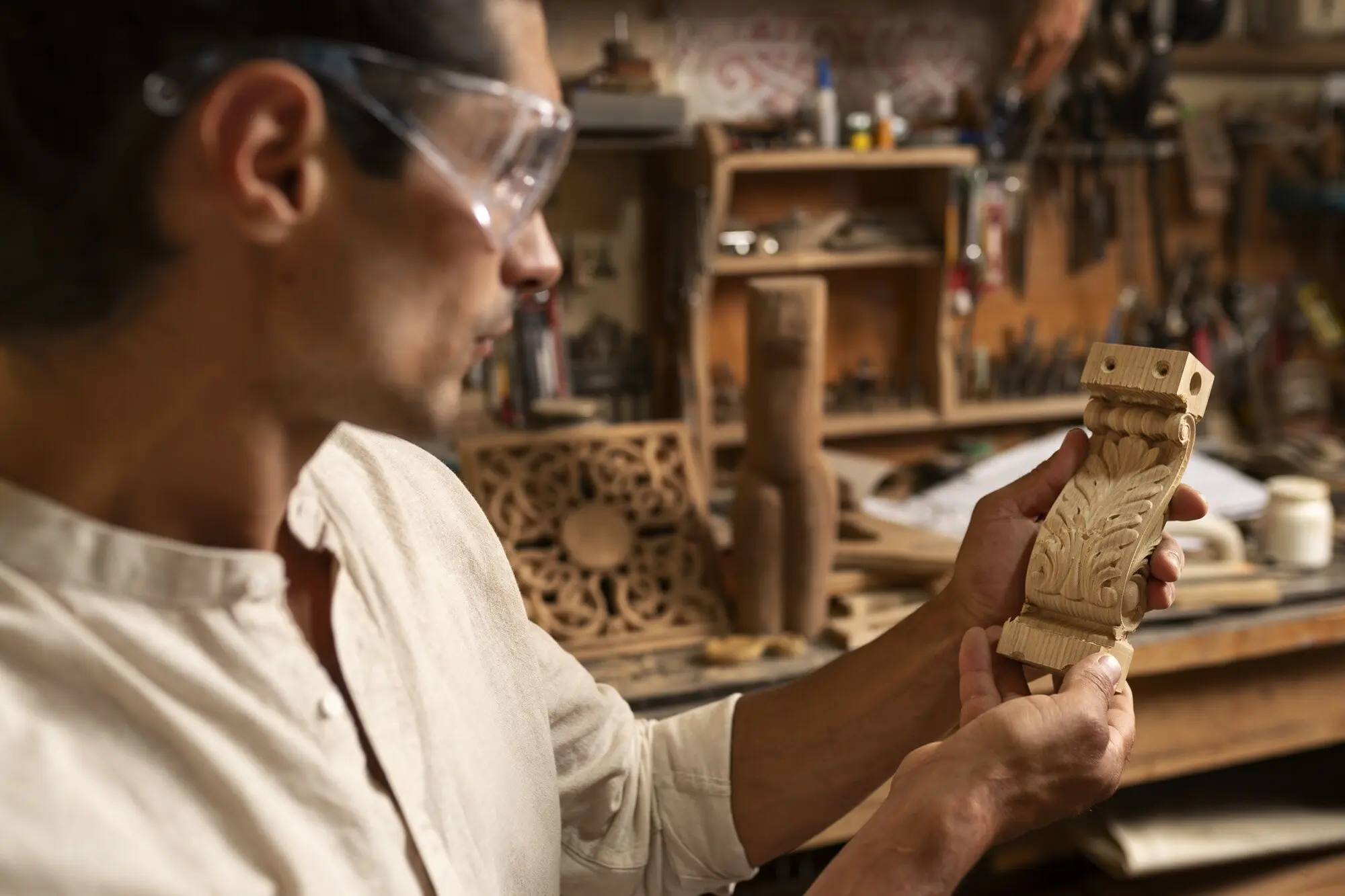
Short, intensive stays can accelerate growth. Mountain studios invite experiments with reclaimed beams, bark, and wind‑etched forms; coastal labs welcome glass, ceramics, rope, and sailcloth. Programs often exchange bench time for open studios, community talks, or collaborative builds. We explain selection criteria, deliverables, and how to pitch projects that honor local resources without extractive storytelling. Learn to budget shipping, insure prototypes, and prepare bilingual labels that help visitors connect process, place, and your evolving craft voice.

Stories from Benches and Harbors

Real journeys illuminate the unromantic, beautiful middle: aching shoulders, small breakthroughs, and the kindness of patient masters. These vignettes trace how listening—to grain, to elders, to weather—reshapes choices more than any single class. They also reveal portable habits: labeling, sweeping, sketching, and asking better questions. May these snapshots encourage you to start, persist, and write back with your own notes so others, reading later, feel less alone as they begin their first careful cuts.

Listening to Spruce in a Cold Workshop

A young maker arrived with perfect drawings and rushed hands. The master handed him a plane and said nothing for days. Between shavings, silence taught patience. When winter bit harder, the wood began to sing differently. He changed angle, pressure, pace, and finally heard clarity in the curl. The first plate was imperfect, but his notes glowed with understanding. Months later, he guided new arrivals through sharpening, repeating the same quiet gift he received.

Evenings of Lace and Tea

In a lace room warmed by stories, bobbins ticked like rain. Patterns looked impossible until an elder slowed them into breaths: cross, twist, pin, breathe. Tea arrived, jokes followed, and mistakes softened. The apprentice learned to tape failures beside successes, so progress showed honestly. She practiced thread tension by humming, steadied her posture with cushions, and left with friends, not just skills. At home, she taught neighbors one simple edging and felt knowledge multiply.

Salt, Pitch, and the Small Skiff

On a windy quay, a mentor showed how to read seams by fingertip, then warmed pitch until it flowed like honey. They worked between gusts, wedging cotton carefully, listening for the dull tap that meant right depth. Lunch was sardines, lemons, and advice about tides. By dusk, the skiff held water differently—tighter, prouder. The apprentice learned to schedule sanding around weather and to anchor gratitude, as firmly as cleats, into every repair.

Designing a Cohesive Capsule

Limit yourself to a tight palette of materials and techniques drawn from your training. Build families of objects that share joinery logic, surface treatments, or narrative roots in place. Test durability in mountain huts and coastal cafés, gathering notes about grip, balance, and cleanup. Document iterations honestly. Cohesion does not mean sameness; it means connected decisions. When pieces speak to each other, juries and clients understand your direction and trust you with bolder commissions.

Photographing and Writing Your Process

Use soft, angled light and neutral backdrops that honor grain, glaze, or fiber. Include hands at work to reveal scale and method. Write short captions that name tools, woods, clays, or dyes, and explain choices in plain language. Share one mistake and its fix to signal maturity. Build an accessible website, compress images thoughtfully, add alt text, and include a simple contact form. Invite questions, and encourage workshop visits by appointment to translate pixels into touch.

Applications, Visas, and Agreements

Create a calendar that tracks calls, references, and document renewals three months ahead. Save templates for intent letters, budgets, and project timelines. Verify insurance, health coverage, and studio safety clauses before signing. Ask mentors to review agreements, especially intellectual property and photo rights. For cross‑border stays, confirm residency requirements and tax implications early. Keep a master folder, both digital and paper, and a gratitude list of supporters you will thank the moment good news arrives.
Pexilaxizorinexovexoxari
Privacy Overview

This website uses cookies so that we can provide you with the best user experience possible. Cookie information is stored in your browser and performs functions such as recognising you when you return to our website and helping our team to understand which sections of the website you find most interesting and useful.